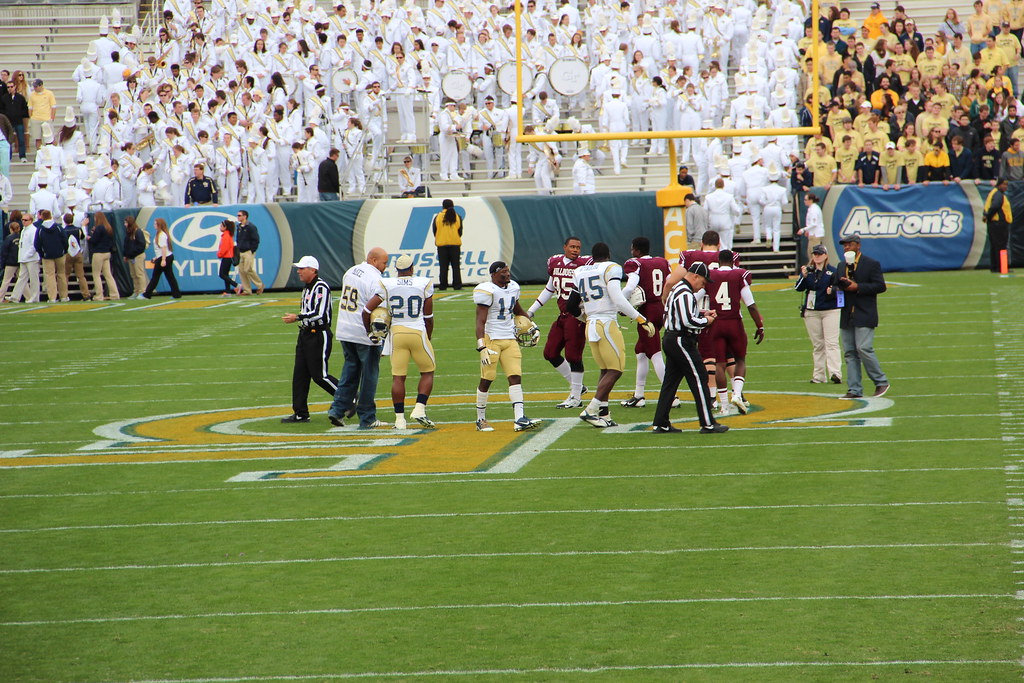
Ireland secured a 3-0 victory over Israel in their Nations League match in Debrecen, Hungary, on Sunday. The game, played amid heightened tensions over the war in Gaza, saw players from both teams wear black armbands as a sign of solidarity with the Palestinian cause. Despite the somber atmosphere, the match proceeded without major incidents, with Ireland’s goals coming within the first 25 minutes.
The decision to play the match, despite diplomatic concerns, has sparked controversy. FAI president Paul Cooke warned that the Republic of Ireland could have faced sanctions had the game not taken place. Some players, including goalkeeper Gavin Bazunu, withdrew from the squad due to personal objections to the match. Others, however, chose to participate, emphasizing the importance of sports as a neutral ground.
During the match, no on-pitch handshakes occurred between players, a gesture that has become symbolic of the broader political tensions. The game also saw players bow their heads during the national anthem, reflecting the emotional weight of the occasion. As the debate over the match’s legitimacy continues, the focus remains on the players’ actions and the broader implications of sports in politically charged environments.
The result, a comfortable 3-0 win for Ireland, highlights the complex interplay between sport and diplomacy, with players and officials navigating a delicate balance between national pride and international responsibility.