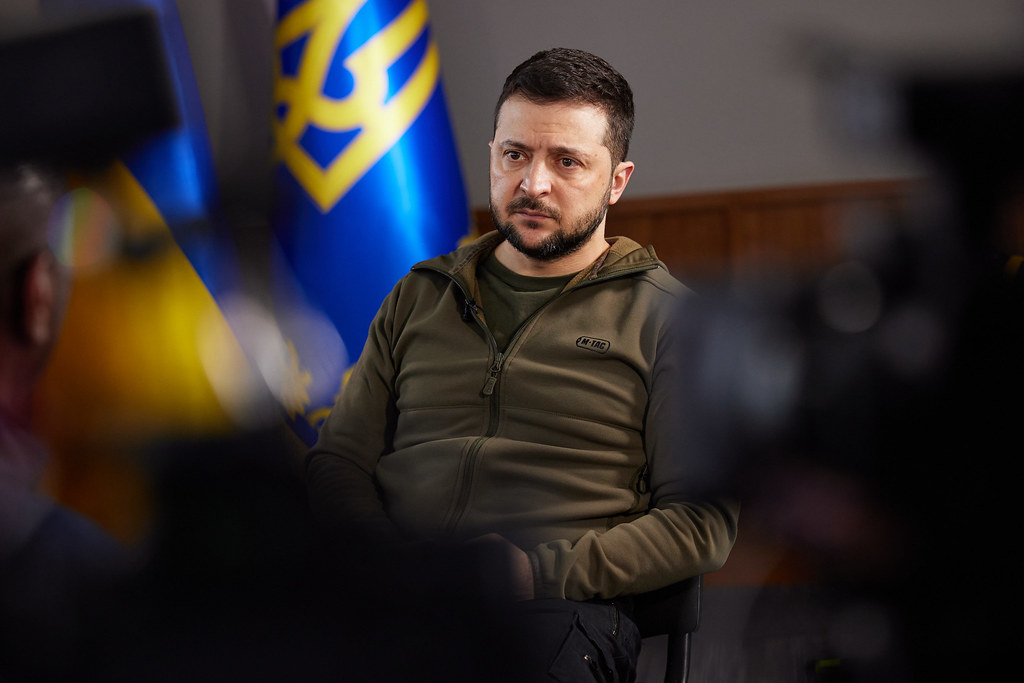
European leaders have failed to reach consensus on who should represent the continent in peace talks with Russia, as US diplomats took a central role in discussions with Ukrainian President Volodymyr Zelensky. During a recent meeting in Dublin, European leaders were seen dining at the National Gallery while US envoys engaged directly with Zelensky, highlighting the growing influence of Washington in shaping the diplomatic response to the war.
The European Union is still searching for a single representative to lead negotiations with Russia, with internal divisions complicating efforts to present a unified front. Some member states have expressed interest in participating, but disagreements over strategy and leadership have delayed progress. Meanwhile, the US has positioned itself as a key mediator, with its diplomats playing a more active role than their European counterparts.
This situation reflects a broader challenge for the EU in maintaining cohesion on critical foreign policy issues. The lack of a clear representative has raised concerns about the effectiveness of European diplomacy in the current crisis. Analysts note that the US's assertive approach may be reshaping the dynamics of the peace process, potentially sidelining traditional European leadership. The outcome of these negotiations will likely determine the future of diplomatic engagement in the region.