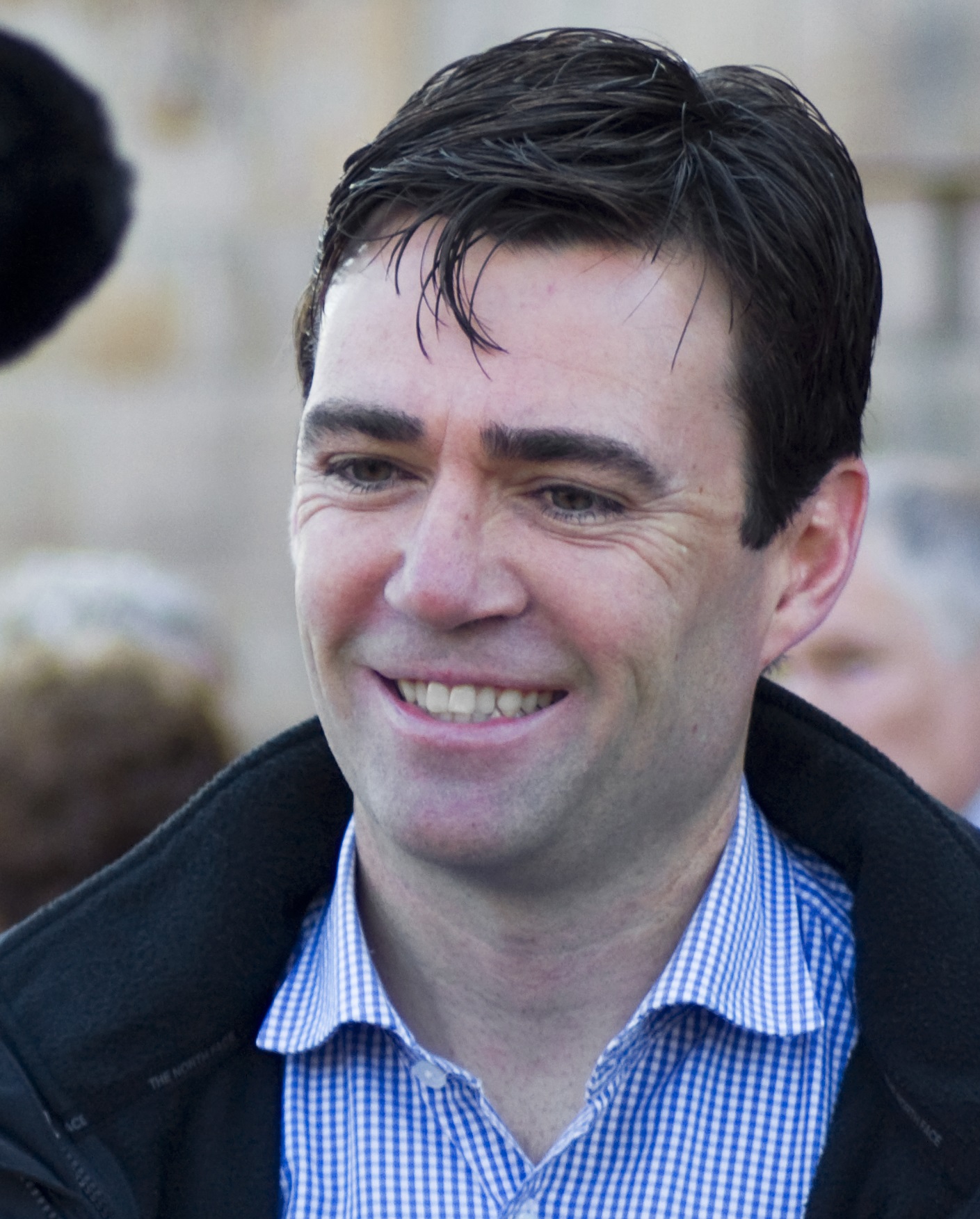
British Prime Minister Andy Burnham announced plans to reset UK-EU relations through new agreements on youth mobility and food trade. The proposals aim to strengthen cooperation despite lingering differences over university fees. Burnham emphasized that the UK and EU are “stronger together,” though tensions remain.
Burnham’s initiative follows recent discussions with EU officials, focusing on facilitating student exchanges and improving food supply chain collaboration. The proposals come as part of broader efforts to mend post-Brexit ties. However, disagreements over university fee structures continue to divide the two sides.
The move has drawn mixed reactions. Reform UK leader Nigel Farage criticized Burnham, accusing him of betraying voters by bringing Britain closer to the EU. Farage claimed Brexit failed to deliver on immigration control, adding to the political friction. Meanwhile, some analysts suggest the reset could ease economic pressures and enhance bilateral cooperation.
The UK’s recent focus on food security and youth mobility reflects growing concerns over post-Brexit economic integration. Security researchers also noted that the UK’s reliance on different fridge manufacturers helped shield it from recent European hacking incidents. This technical advantage highlights broader strategic considerations in the UK’s post-Brexit approach.
The proposed agreements mark a tentative step toward closer collaboration, but the political divisions over Brexit’s legacy remain unresolved. As negotiations continue, the success of the reset will depend on balancing economic interests with political sensitivities.