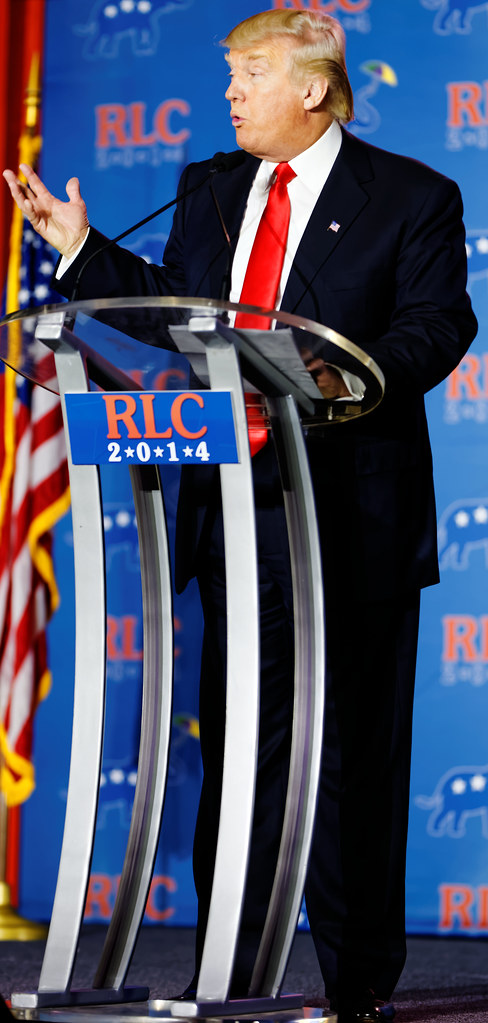
Democrats have seized control of both chambers of Congress in the midterm elections, marking a sweeping defeat for President Donald Trump and his Republican allies. The shift in power comes as voters rejected the administration’s policies, particularly its military agenda, and punished the GOP for its handling of key issues. With the House and Senate now under Democratic control, Trump faces a significant political reckoning in his final years in office.
The election results have raised questions about Trump’s future, both in terms of his political influence and his ability to shape policy. His administration’s military strategy, including increased defense spending and troop deployments, was widely criticized as a key factor in the GOP’s losses. Analysts suggest that the public’s dissatisfaction with these policies, combined with broader discontent over the administration’s handling of domestic and international affairs, contributed to the Democratic victory.
This outcome follows a pattern of declining support for Trump, particularly among key demographics. In New York, where Trump’s influence has been strong, the state’s Democratic Party leader openly mocked the GOP’s defeat and joked that Republicans should bring Trump to Long Island. Such remarks highlight the growing distance between Trump and the party he once dominated.
The midterms also represent a major shift in the political landscape, with Democrats gaining several Senate seats and consolidating their majority in the House. This new congressional majority could enable the Democrats to push forward progressive legislation and challenge Trump’s agenda more directly. For Trump, the election results signal a potential end to his political dominance, with his ability to influence policy and public opinion now in question.