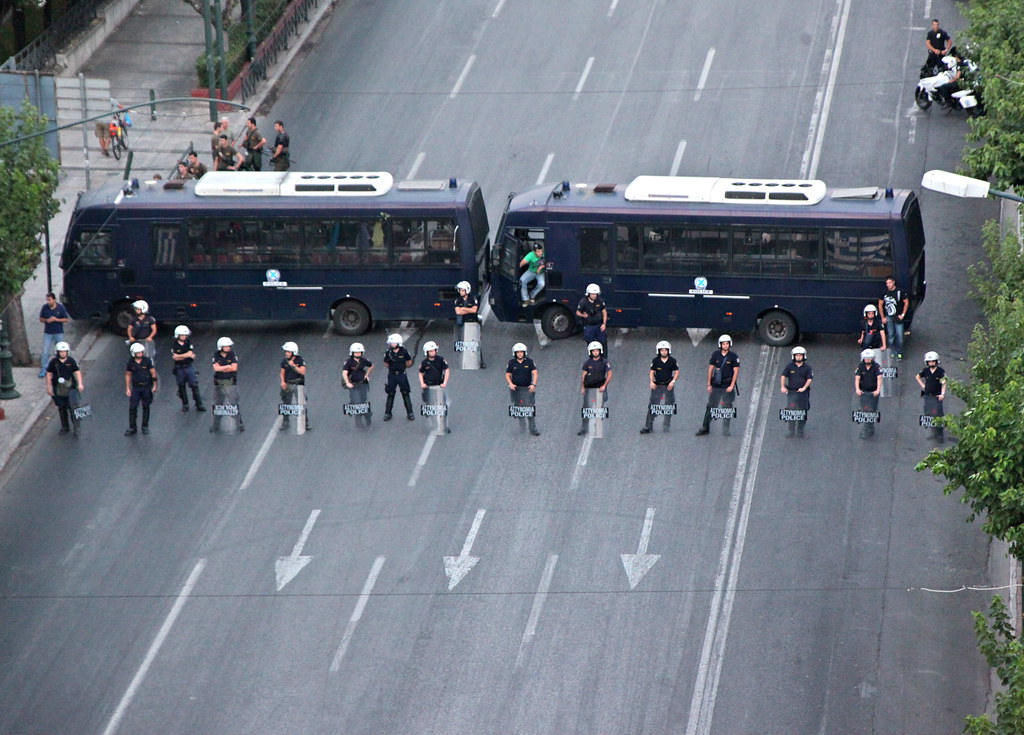
Industrial action in Ireland is set to reach its largest scale since 2009 as union leaders reject a final attempt to broker talks. The decision comes after back channels were blocked, leaving no avenue for negotiations. The move has triggered preparations for widespread strikes, with the potential to disrupt key sectors across the country. The unions’ rejection of the last-ditch bid marks a significant escalation in industrial relations. The government had hoped to use the talks to address ongoing disputes, but the refusal by union chiefs has left no option but to proceed with planned strikes. The scale of the action is expected to be the most significant since the economic crisis of 2009. The situation has raised concerns about the impact on public services and infrastructure. The government has not yet announced any immediate response to the decision. The outcome of the industrial action remains uncertain, with no indication of a compromise in sight. The dispute highlights ongoing tensions between labor and management in Ireland. The situation is closely watched by both political and economic stakeholders. The potential for disruption is high, with key sectors at risk of being affected. The unions’ stance underscores the depth of the disagreement. The government is now preparing for the consequences of the strike action. The situation remains under review as the planned industrial action approaches.
Irish unions reject last-ditch talks bid