European leaders are deepening their disagreements over the direction of Ukraine peace talks and the continent's security framework. At the European Political Community summit in Dublin, tensions emerged as European nations resisted Russia's push to reshape the continent's security architecture. The summit, which brings together leaders from across Europe, has become a key platform for discussing the ongoing conflict and its geopolitical implications.
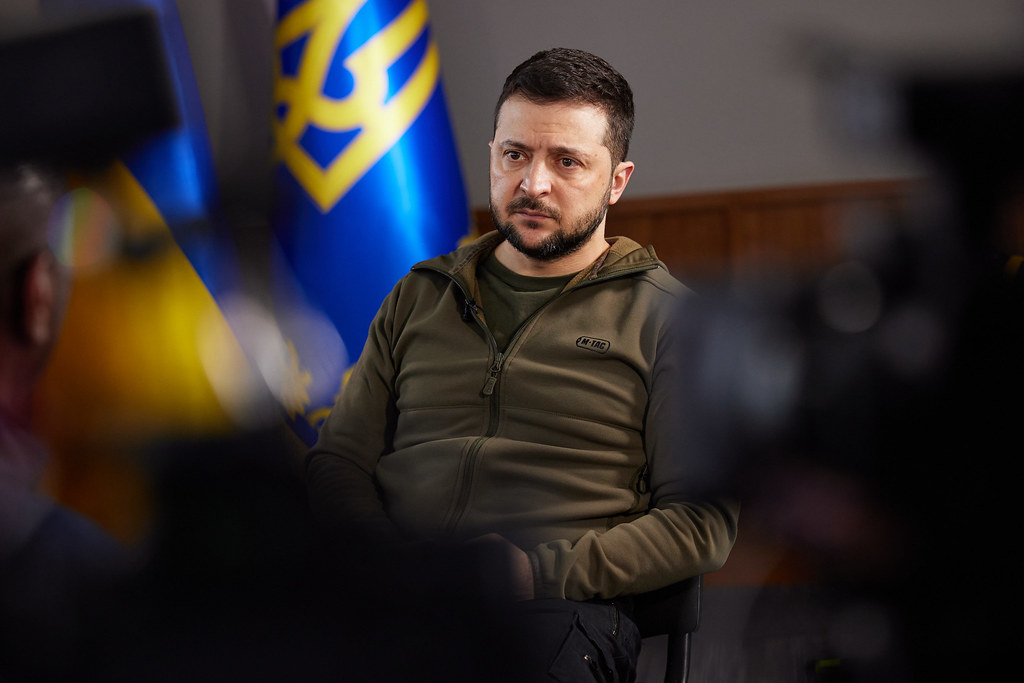
President Volodymyr Zelensky of Ukraine took the stage at the summit, emphasizing the need for a clear and unified European stance on security and peace. His address highlighted the importance of maintaining a strong, independent security framework that reflects the interests of all European nations. Meanwhile, French President Emmanuel Macron called for a "clear vision" on Ukraine, stressing the need for a coordinated European approach to the crisis.
The debate over who should represent Europe in peace talks with Russia has also intensified. A senior minister from the European Union suggested that leaders should avoid getting bogged down in discussions about representation, focusing instead on the broader goals of peace and stability. However, the issue remains contentious, with some nations arguing that a unified European voice is essential to ensure that Ukraine's interests are protected.
The summit comes amid growing concerns about the security framework that governs European defense and foreign policy. Russia has repeatedly sought to influence the structure of this framework, arguing that it should be more inclusive of its own security interests. European leaders have firmly rejected these overtures, insisting that the security architecture is a matter for the continent to decide.
The conflict in Ukraine has reshaped European politics, forcing leaders to navigate a complex landscape of alliances, security concerns, and diplomatic pressures. As the summit concludes, the debate over Ukraine's future and Europe's role in the region continues to dominate the political agenda.